Java의 auto boxing과 unbox은 어떻게 컴파일될까?

아래 코드는 [프리미티브 타입과 Wrapper 클래스, 자동 Boxing, 자동 UnBoxing]이라는 글에 나오는 것을 입력해 본 것입니다. int와 java.lang.Integer객체를 "=="와 "equals()"메소드로 비교하고 있습니다.

auto boxing test

위의 코드에서 생성한 .class파일을 역컴파일해보면 아래와 같은 코드가 나옵니다. autoboxing과 unboxing이 어떤 방식으로 이루어 지는지 잘 확인할 수 있습니다. java.lang.Integer가 int로 바뀔 때는 intValue() 메소드, int가 java.lang.Integer로 바뀔 때는 Integer.valueOf()메소드를 사용하고 있습니다. JDK 1.4이하 버전과의 하위호환성을 위해서 이런 방식을 쓰는 것이겠죠.

int a = 1;
int b = 1;
Integer c = new Integer(1);
Integer d = new Integer(1);
System.out.println((new StringBuilder("1:")).append(System.identityHashCode(Integer.valueOf(a))).toString());
System.out.println((new StringBuilder("2:")).append(System.identityHashCode(Integer.valueOf(b))).toString());
System.out.println((new StringBuilder("3:")).append(System.identityHashCode(c)).toString());
System.out.println((new StringBuilder("4:")).append(System.identityHashCode(d)).toString());
System.out.println((new StringBuilder("5:")).append(a == b).toString());
System.out.println((new StringBuilder("7:")).append(c == d).toString());
System.out.println((new StringBuilder("8:")).append(c.equals(d)).toString());
System.out.println((new StringBuilder("9:")).append(a == c.intValue()).toString());

new Integer() 로 생성자를 호출하면 매로 새로 객체를 생성하는데, Integer.valueOf()메소드를 사용하면 캐쉬된 값을 사용할 수 있습니다. 이 메소드의 소스를 보면 -128부터 127까지의 static영역에 캐쉬로 쌓아두고 있습니다.

 static {
  cache = new Integer[256];
  for (int i = 0; i < cache.length; i++)
  cache[i] = new Integer(i - 128);
}

public static Integer valueOf(int i) {
  if (i >= -128 && i <= 127)
  return IntegerCache.cache[i + 128];
  else
  return new Integer(i);
}

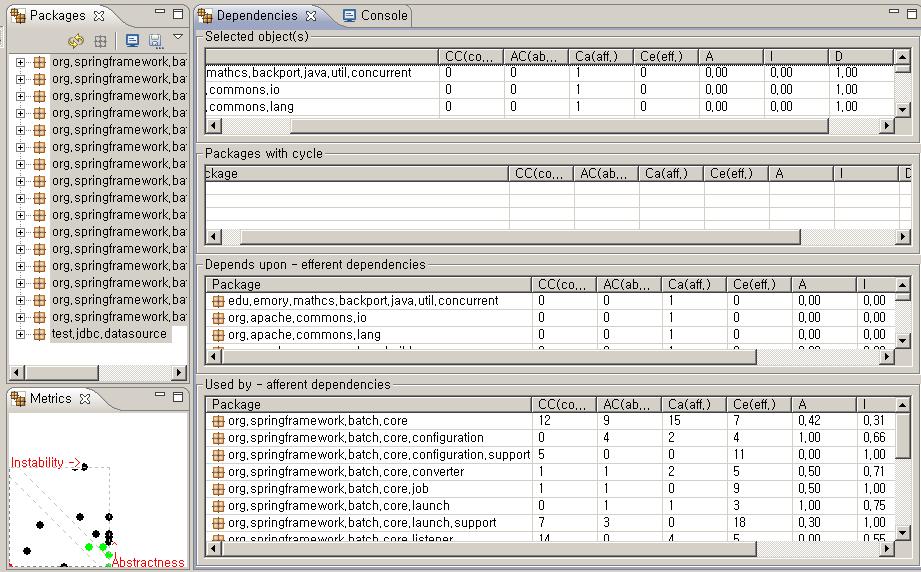
처음에 나왔던 저의 Eclipse 캡쳐화면을 보면 findbugs 플러그인에서 new Integer()사용 코드에 대한 경고를 보여주고 있습니다. 자세한 설명을 보니, Integer.valueOf() 를 사용할 경우 약 3.5배 정도 실행속도가 빠르다고 하네요.

M P Bx] Method invokes inefficient Number constructor; use static valueOf instead [DM_NUMBER_CTOR]

Using new Integer(int) is guaranteed to always result in a new object whereas Integer.valueOf(int) allows caching of values to be done by the compiler, class library, or JVM. Using of cached values avoids object allocation and the code will be faster.

Values between -128 and 127 are guaranteed to have corresponding cached instances and using valueOf is approximately 3.5 times faster than using constructor. For values outside the constant range the performance of both styles is the same.

Unless the class must be compatible with JVMs predating Java 1.5, use either autoboxing or the valueOf() method when creating instances of Long, Integer, Short, Character, and Byte.

이런 원리들을 잘 염두해 둬서, auto boxing과 unboxing이 사용될 때 필요없는 객체가 생성되지 않는지 유의해야 합니다.

다음 코드는 Effective Java 2nd Edition의 Item 5 - '불필요한 객체를 생성하지 마라’에 나오는 예제입니다.

Long sum = 0L;
for(long i=0;i< Integer.MAX_VALUE;i++){
   sum += i;
}
System.out.println(sum);
이 코드를 컴파일한 후 다시 역컴파일 해보면 다음과 같이 나옵니다.
Long sum = Long.valueOf(0L);
for(long i = 0L; i < 0x7fffffffL; i++)  sum = Long.valueOf(sum.longValue() + i);

System.out.println(sum);

java.lang.Double.valueOf(double) 메서드는 매번 새로운 객체를 생성하게 되어 있습니다.

public static Double valueOf(double d) {
  return new Double(d);
}

이렇듯 불필요한 객체생성을 막기 위해 되도록 primitive type을 선호해야 합니다. auto boxing은 Collection이나 Map에 들어가는 요소로 변수가 쓰일 때, generics가 적용한 코드를 작성할 때 등이 적절한 사용의 예입니다. (Effective Java 2nd Edition, Item 49 참조)

Spring MVC 2.5을 활용한 파일업로드

간단한 파일 업로드 기능을 만들어야 할 일이 생겨서, Spring 2.5의 annotation을 이용한 Action에서 이를 처리하게 했습니다. 실무에서 썼던 것을 더 단순한 예제로 재구성해서 정리해봅니다.

Maven의 pom.xml에 파일업로드 기능에서 참조하는 commons-fileupload 라이브러리에 대한 dependency를 추가합니다.

<dependency>
   <groupId>commons-fileupload</groupId>
   <artifactId>commons-fileupload</artifactId>
   <version>1.2.1</version>

</dependency>

web.xml에는 applicationContext 파일의 위치를 지정하고, *.do를 스프링에서 처리하도록 설정합니다.

<servlet>
   <servlet-name>dispatcher</servlet-name>
   <servlet-class>org.springframework.web.servlet.DispatcherServlet</servlet-class>
   <init-param>
     <param-name>contextConfigLocation</param-name>
     <param-value>classpath:applicationContext.xml</param-value>
   </init-param>
   </servlet>
   <servlet-mapping>
     <servlet-name>dispatcher</servlet-name>
     <url-pattern>*.do</url-pattern>
   </servlet-mapping>

업로드 기능을 간단히 테스트할 수 있는 jsp페이지를 만들어봅니다. 단순히 파일 1개를 "file"이라는 변수명으로 업로드 요청을 하는 페이지입니다.

<%@ page language="java" contentType="text/html; charset=UTF-8"
    pageEncoding="UTF-8"%>
<%@ taglib prefix="spring" uri="http://www.springframework.org/tags"%>
<%@ taglib prefix="form" uri="http://www.springframework.org/tags/form"%>
<html>
<head>
    <meta http-equiv="Content-Type" content="text/html; charset=UTF-8">
    <title>업로드 테스트</title>
</head>
<body>
<form action="/study/upload.do" method="post" enctype="multipart/form-data">
<p>
    <label for="file">파일1 </label>
    <input type="file" name="file">
</p>
<p>
    <input type="submit" value="전송"/>
</p>
</form>
</body>
</html>

그리고 applicationContext파일을 아래와 같이 선언합니다. DefaultAnnotationHandlerMapping 을 이용해서 annotation을 이용한 Controller 설정을가능하게 합니다. <context:component-scan/> 태그를 사용해서, 설정을 scan할 패키지를지정합니다. 그리고, 파일이 저장될 디렉토리는 ${repository.path} 속성으로 표시했습니다. Maven의 resource filter기능을 이용해서 실행환경에 따라 다른 값을 넣게 하면 편리합니다.

<?xml version="1.0" encoding="UTF-8"?>
<beans xmlns="http://www.springframework.org/schema/beans"
    xmlns:xsi="http://www.w3.org/2001/XMLSchema-instance"
    xmlns:context="http://www.springframework.org/schema/context"
    xsi:schemaLocation="http://www.springframework.org/schema/beans http://www.springframework.org/schema/beans/spring-beans.xsd
        http://www.springframework.org/schema/context http://www.springframework.org/schema/context/spring-context.xsd">

    <bean  class="org.springframework.web.servlet.mvc.annotation.DefaultAnnotationHandlerMapping">
        <property name="alwaysUseFullPath" value="true"/>
    </bean>
    <bean id="multipartResolver"
        class="org.springframework.web.multipart.commons.CommonsMultipartResolver"/>

    <bean id="respository" class="study.repository.FileRepository">
        <constructor-arg value="${repository.path}" />
    </bean>
    <context:component-scan    base-package="study.action"/>
</beans>

실제적인 파일의 저장기능을 담당하는 클래스인 FileRepository에서는 간단하게 UIDD를 이용해서 키를 생성하고 path필드로 지정된 디렉토리에 저장을 해줍니다.

package study.repository;

import java.io.File;
import java.io.IOException;
import java.util.UUID;

import org.springframework.web.multipart.MultipartFile;

public class FileRepository {
    private String path;
    public FileRepository(String path) {
        this.path = path;
        File saveFolder = new File(path);
        if(!saveFolder.exists() || saveFolder.isFile()){
            saveFolder.mkdirs();
        }
    }

    public String saveFile(MultipartFile sourcefile) throws IOException{
        if ((sourcefile==null)||(sourcefile.isEmpty())) return null;
        String key = UUID.randomUUID().toString();
        String targetFilePath = path+"/"+ key;
        sourcefile.transferTo(new File(targetFilePath));
        return key;
    }
}

추가적으로 키값을 넣어주면 파일을 반환해주는 메소드나, 파일의 종류나 날짜에 따라서 하위 디렉토리를 구분해서 생성하는 기능도 넣을 수있을 것입니다. 그리고 더 확장한다면, 따로 주요 메서드를 선언한 Repository 라는 인터페이스를 정의하고, DB를저장소로 활용하는 DbRepository 와 같이 이름 붙인 구현 클래스도 만들어 볼 수 있겠습니다.

그리고 @Controller , @RequestMapping, @RequestParam, @Autowired의 Anntation을활용해서 Controller 클래스를 작성합니다. 업로드 후 화면에 키값만 뿌도록 해서 java.io.Writer클래스를 화면출력을 위해 사용했습니다.

package study.action;

import java.io.IOException;
import java.io.Writer;
import org.springframework.beans.factory.annotation.Autowired;
import org.springframework.stereotype.Controller;
import org.springframework.web.bind.annotation.RequestMapping;
import org.springframework.web.bind.annotation.RequestParam;
import org.springframework.web.multipart.MultipartFile;

import study.repository.FileRepository;

@Controller
public class FileAction {
     private FileRepository respository;

    @Autowired
    public void setRespository(FileRepository respository) {
        this.respository = respository;
    }
    @RequestMapping("/upload.do")
    public void execute(@RequestParam("file") MultipartFile file,
            Writer out) throws IOException{
        String key = respository.saveFile(file);
        out.write(key);
    }
}

MultipartFile 클래스를 파라미터로 받는 메서드는 MockMultiPartFile를 이용해서 테스트하면 됩니다.

참고로 최근 로드존슨이 인터뷰에서 한 말에 따르면 기존 Spring MVC의 Controller interface는 삭제될 것이라고 하네요.
EMMA + Eclipse + Maven2 + Hudson

EMMA는 테스트코드가 검증해 주는 코드영역에 대해서 보고해 주는 도구입니다. 전체 코드 중 몇 %가 테스트 코드를 거쳐가고 있는지 쉽게 수치를 낼 수 있습니다.

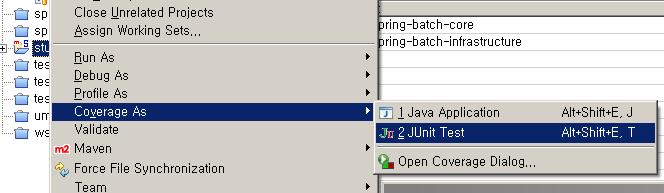
EMMA의 Eclipse plugin인 EclEmma는 http://update.eclemma.org/를 plugin의 update site로 지정하면 설치할 수 있습니다. 설치 후 프로젝트에서 우클릭-Coverage As - JUnit Test 메뉴를 선택하면 전체 Junit Test를 실행하고, Test Coverage에 대한 보고서를 생성해 줍니다.

eclipse-emma-menu.jpg

EMMA의 Maven2 plugin인 Emma Maven Plugin Maven을 pom.xml파일의 reporting 선언에 아래와 같은 설정을 추가합니다.

<reporting>
  <plugins>
   ...
    <plugin>
      <groupId>org.codehaus.mojo</groupId>
      <artifactId>emma-maven-plugin</artifactId>
      </plugin>
    </plugins>
</reporting>

Hudson의 위키에 있는 Emma plugin 설명페이지Maven의 emma-plugin 설명페이지를 보면 build절에도 plugin 설정을 추가하라고 되어있는데, 그렇게 하지 않아도 잘 실행이 되었습니다. 오히려 그렇게 추가를 하니, mvn test site처럼 test와 site phrase가 같이 돌아갈 때 아래와 같은 에러가 발생했습니다.

java.lang.IllegalStateException: class [......] appears to be instrumented already

Emma plugin 설정을 reporting 부분에 넣으면 테스트가 실행되므로 일부러 test phrase를 넣어줄 필요는 없습니다. 즉 이 때는 mvn site만 돌려주시면 테스트 결과와 Coverage Report를 모두 얻을 수 있습니다. Emma plugin이 있을 때 'mvn test site’로 실행시켜서 테스트가 두번 돌면 Hudson에서 보고하는 테스트 개수도 2번씩 중복 집계가 되므로 더 혼동만 줍니다.

Maven의 emma-plugin 설명페이지에 따르면, maven-surefire-plugin 설정에서 별도의 JVM으로 테스트를 실행시키위해 forkMode를 always로 설정하는 것은 중요하다고 합니다. EMMA가 JVM의 종료 때도 기록을 하기 때문에 그렇다는군요. 다음과 같이 설정합니다.

<plugin>
        <groupId>org.apache.maven.plugins</groupId>
        <artifactId>maven-surefire-plugin</artifactId>
        <inherited>true</inherited>
        <configuration>
          <forkMode>always</forkMode>
          <reportFormat>xml</reportFormat>
        </configuration>
</plugin>

이렇게 Maven을 통해 생성한 리포트를 Huson으로 보기 위해서는 Manage Hudson>Manage Plugins 메뉴에서 Hudson Emma plugin을 설치하고 Hudson을 재시작합니다.

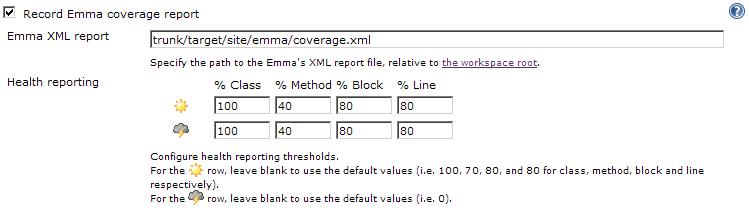
설치가 잘 되었다면, 프로젝트의 Configure 메뉴에서 EMMA의 보고서에 대해서 설정할 수 있는 항목이 생깁니다.

hudson-emma-config.jpg

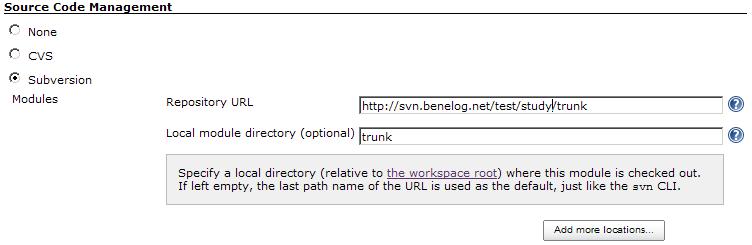
여기에서 Emma XML report 항목에 workspace를 기준으로 한 상대적인 경로로 coverage.xml의 위치를 지정해줍니다. Hudson의 위키에 있는 Emma plugin 설명페이지에 보면 이 항목이 target/site/emma/coverage.xml으로 되어 있어서 혼동이 오기 쉬운데, trunk와 같은 Local module directory를 반드시 포함시켜줘야 합니다. 보통 SVN을 쓸 때 프로젝트 설정에서 별도로 지정을 하지 않으면 trunk같은 SVN의 path의 마지막 디렉토리가 Local module directory로 지정됩니다.

hudson-svn-config.jpg

Emma 보고서 설정란에서 the work space root라는 링크를 눌러도 금방 확인 할 수 있습니다.

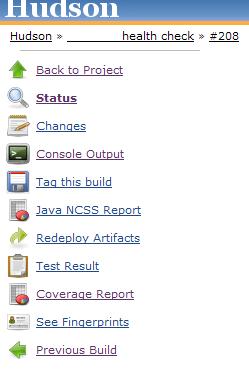
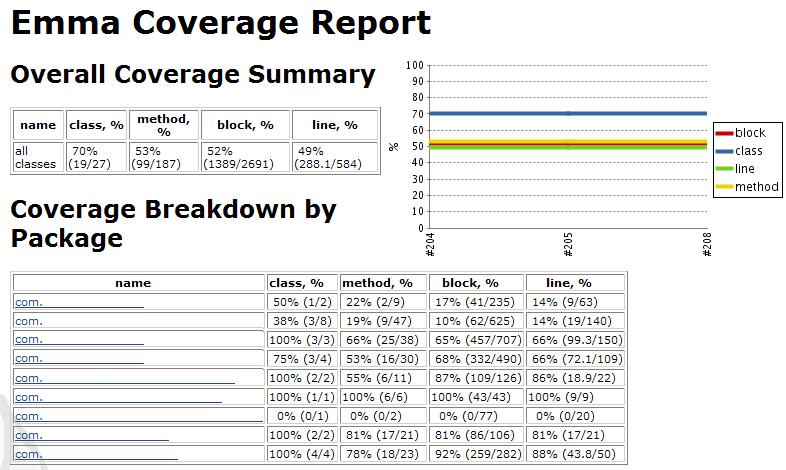
위와 같이 설정된 프로젝트를 build하면 빌드의 맨 끝에 Recording Emma reports trunk/target/site/emma/coverage.xml 와 같은 메시지가 Console out 화면에서 뜰 것입니다. 그렇게 생성된 보고서는 "프로젝트명>빌드번호>Coverage Report" 메뉴에서 보실 수 있습니다.

hudson-emma-menu.jpg

hudson-emma-report.jpg

만약 Hudson에서 Emma를 실행한 빌드번호의 메뉴에서 'Coverage Report’라는 메뉴가 보이지 않는다면 Hudson plugin 수동으로 빌드&업로드를 참조해서 최신 버전으로 플러그인을 업데이트 해보시기 바랍니다.